

If the website responds slowly, please go here
-
Clinical Research
|
|
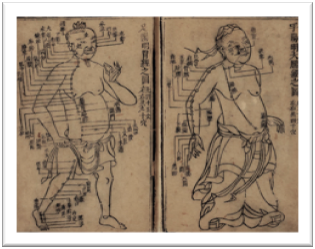
The clinical module provides evidences based on clinical data for the development of relevant standards and guidelines in clinical practice. Under different surgeries/diseases, it focuses on data related to acupuncture alone, and acupuncture anesthetic compound anesthesia, demonstrating the evaluation of anesthesia effects through factors such as acupoints, anesthesia methods, induction conditions, and various indicators (macroscopic symptoms, physical signs and behavioral, electrophysiological, pathophysiological, blood biochemical, molecular immune indicators).
-
Mechanism Studies
|
|
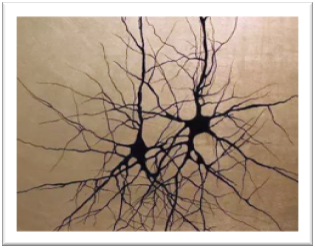
The mechanism research module focuses on the biological study of acupuncture analgesia, using various animal models to simulate human physiology and pain. These studies explored the biological mechanisms of acupuncture, such as changes in neural pathways, inflammatory responses, and the endocrine system. Different indicators such as pain behavior, physiological stress responses, immune responses, as well as cellular and molecular-level changes, can help scientists understand how acupuncture modulates pain perception and alleviates postoperative discomfort.
-
Omics Dataset

|
|
The omics module focuses on utilizing high-throughput sequencing technologies to explore the molecular biological basis of acupuncture analgesia or its modulation of the organism. It mainly focuses on transcriptomic sequencing data related to acupuncture, pain, and anesthesia related drugs to analyze how acupuncture or drug treatment affects gene expressions. This provides a systems-level insight into the coordinated molecular events underlying acupuncture effects. This module assists scientists in understanding the biological effects of acupuncture at the molecular level.