| Summary |
Human papillomavirus (HPV) infection drives the development of some head and neck cancer squamous cell carcinomas (HNSC). Although these tumors are sensitive to treatment, ~10% of patients fail therapy. However, the mechanisms that underlie treatment failure remain unclear. Here, we assessed the transcriptional profiles of 10 paired primary and subsequent recurrent HPV-related oropharyngeal squamous cell carcinomas (OPSCCs) using an exome-capture hybrid RNA sequencing assay. Principal componenent analysis using the expression data from the top 500 most variable genes revealed that 29.3% of the variance was aassociated with tumor status (i.e., primary vs recurrent tumor). Four of the primary/recurrent tumor pairs demonstrated greater clustering based on the patient of origin rather than the tumor status (primary vs recurrent). Additionally, two of the recurrences were distant, two were local, and the remaining six were regional. The recurrent tumors did not cluster necessairly based on site of recurrence. Unsupervised heirarchical clustering of the top 500 most variable genes revealed a correlation between recurrent tumors and metabolic gene expression while the primary tumors demonstrated increased expression in several immunologic related genes, mitogenic signaling, and epigenetic signaling genes. Using the PANTHER GO-Slim biological process pathway analysis, we identified enrichment of processes involved in biosynthesis, metabolism including oxidative phosphorylation, and Wnt signaling. Using gene set enrichment analysis, we observed enrichment in oxidative phosphorylation, fatty acid metabolism, and glutathione metabolism as well as MYC, P53-dependent DNA damage repair, and NRF2 pathway gene expression among the recurrent HPV-associated OPSCCs. |
 Virus Dataset Detail

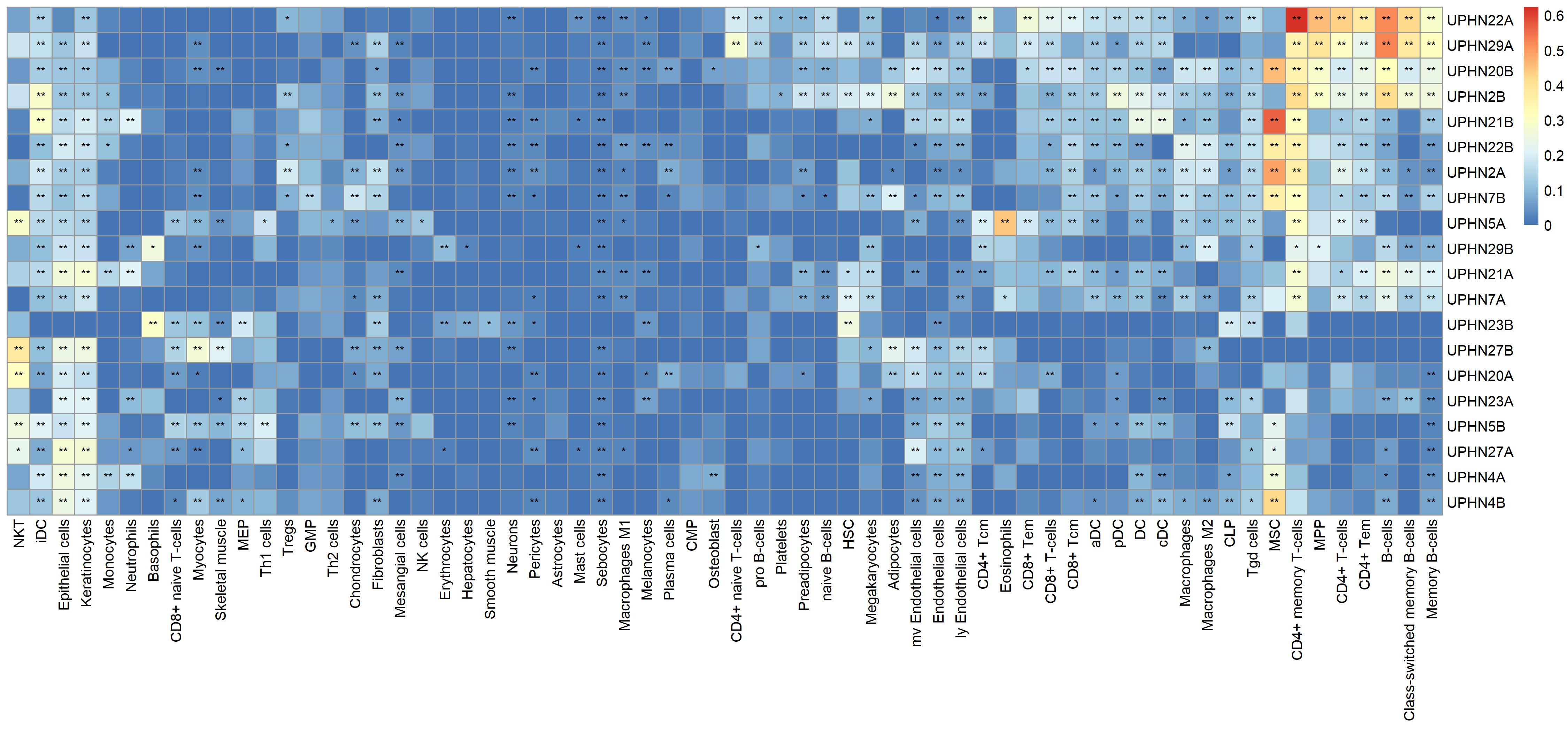 * p<0.05 ** p<0.01